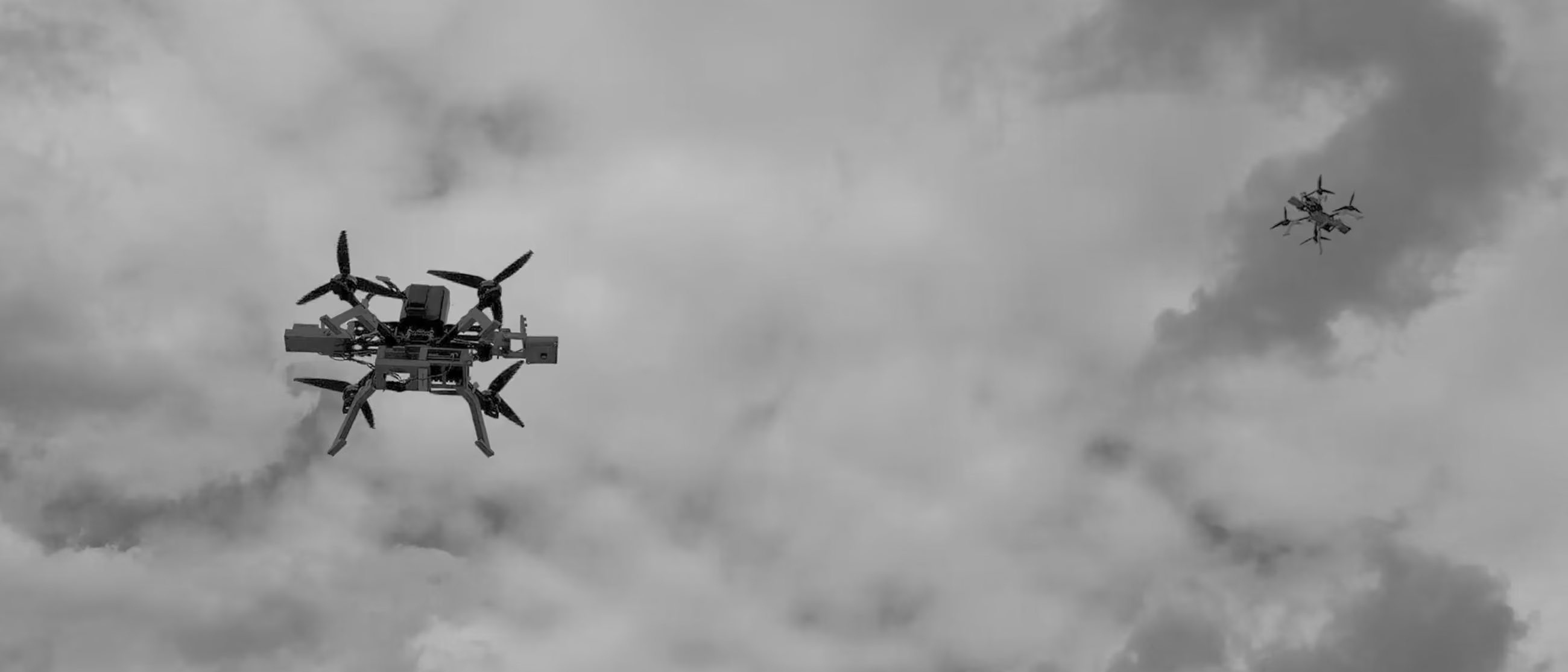
How Qamcom Built a Drone Swarm
– and survived every law Murphy had to offer
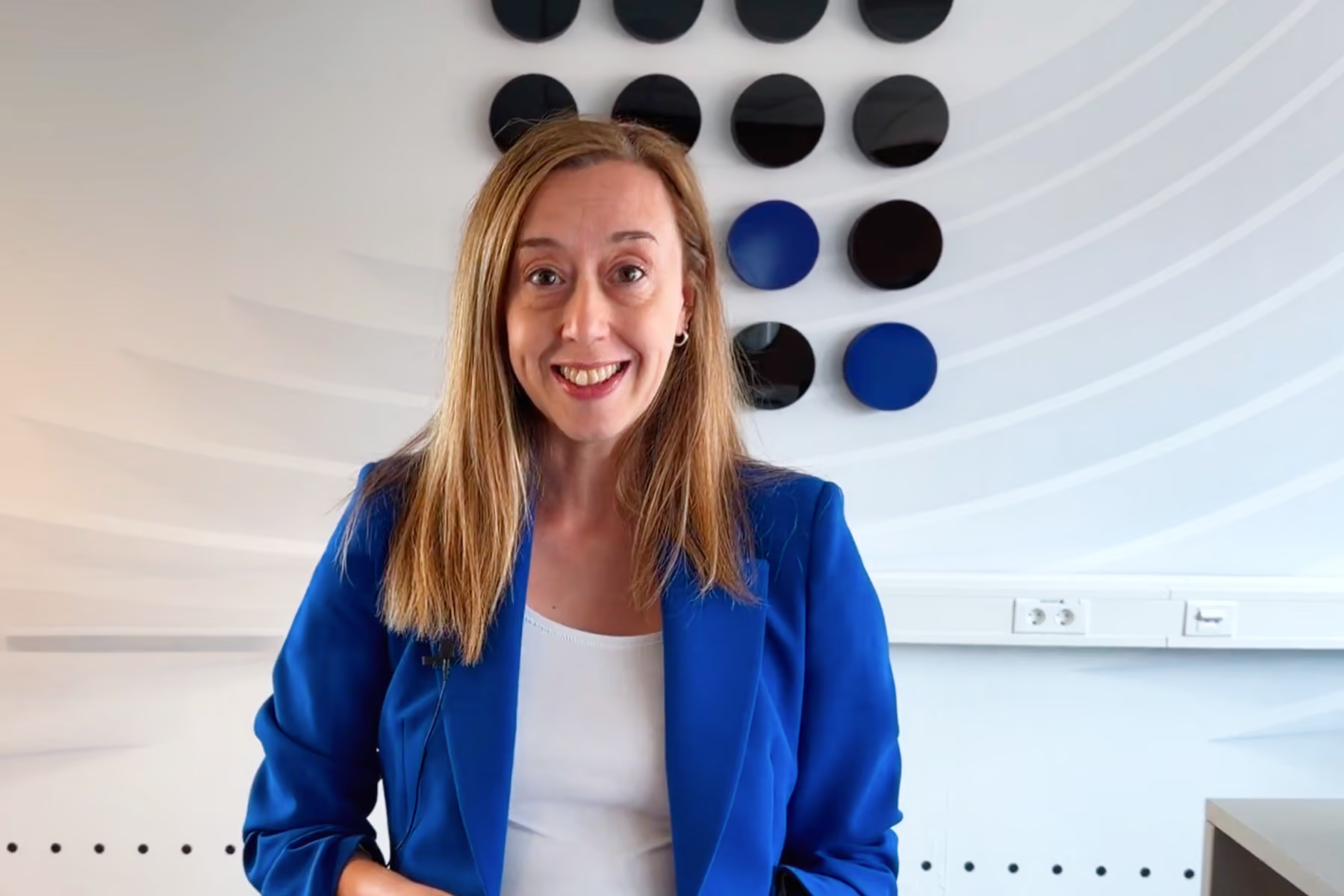
Anna Chiara Brunetti
Watch the case film
Or read the case story below
This is the story of Project Firefly.
3.5 days to deadline…
Back in November 2025, we came across a very interesting call from Vinnova.
The objective was to develop a heterogeneous drone swarm to identify, locate and monitor wildfires and enhance situational awareness through targeted interventions.
Or, in slightly more accessible English: a drone swarm for fire protection.
A perfect mission for Qamcom. There was just one small problem. The application deadline was three and a half days away.
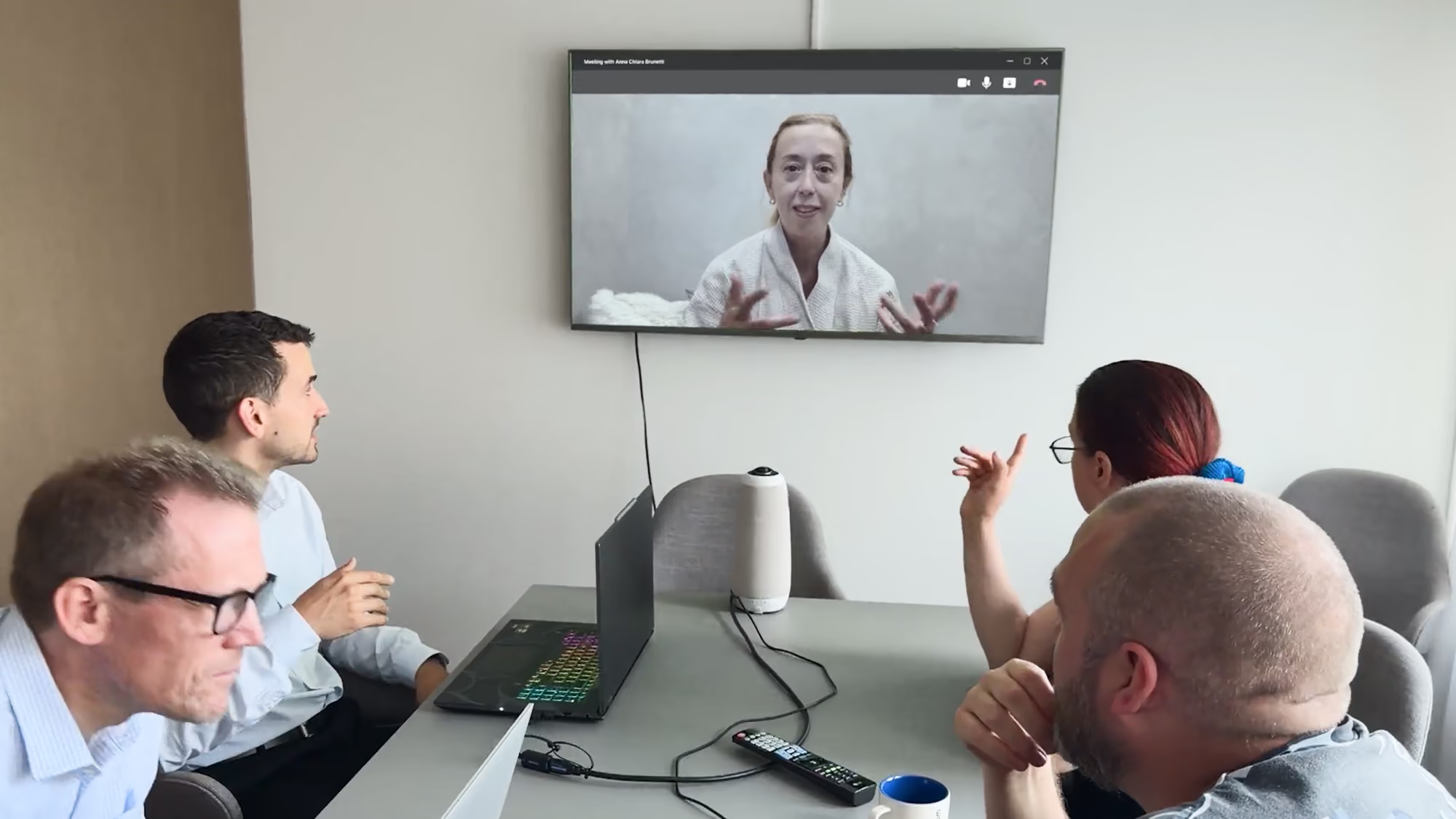
In the spirit of “you miss all the shots you don’t take”, the team got to work and managed to submit the application in the eleventh hour. I contributed in the best way I could at the time: cheering everyone on from home with a full-blown flu.
Project Firefly had been granted funding.
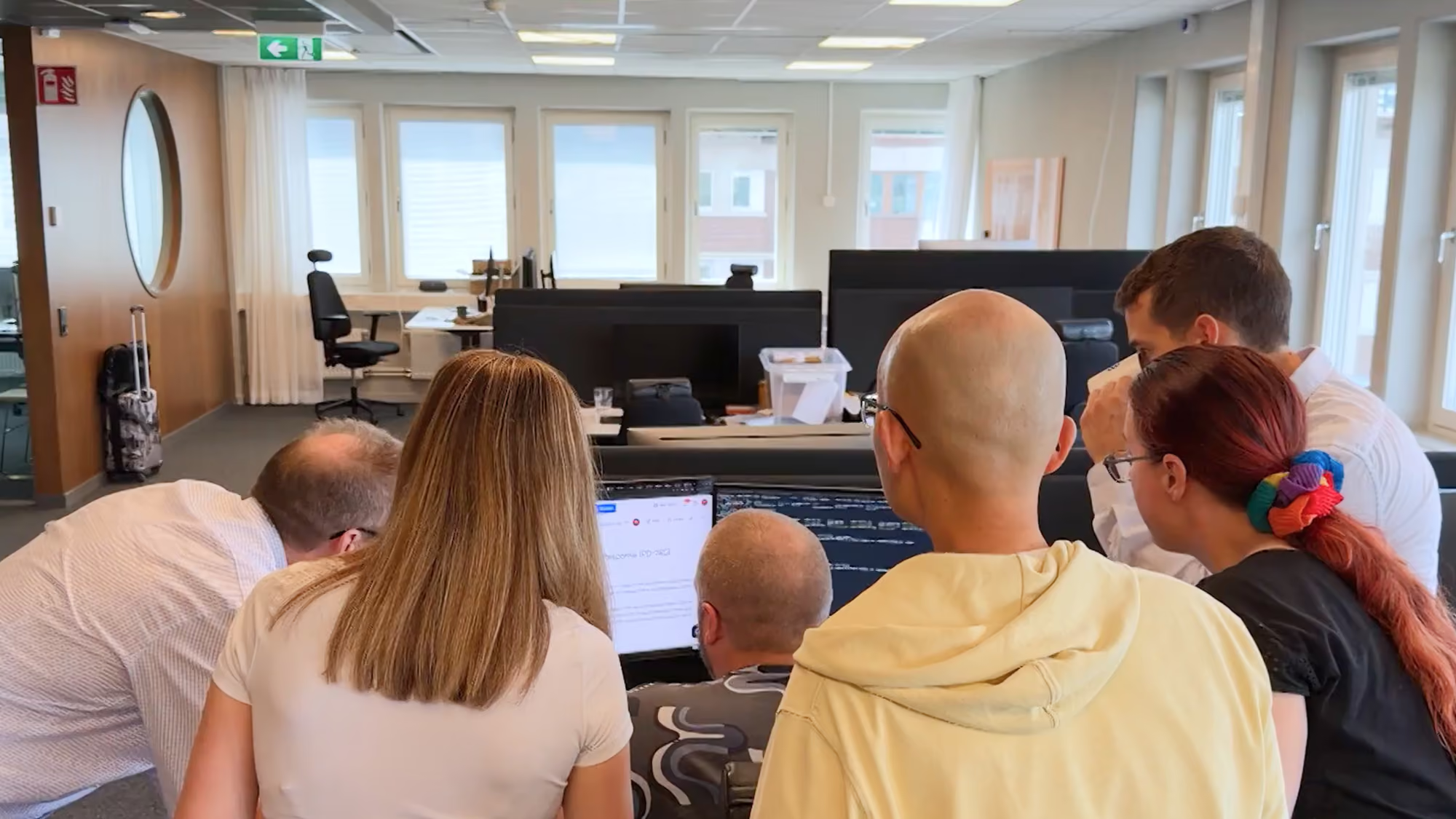
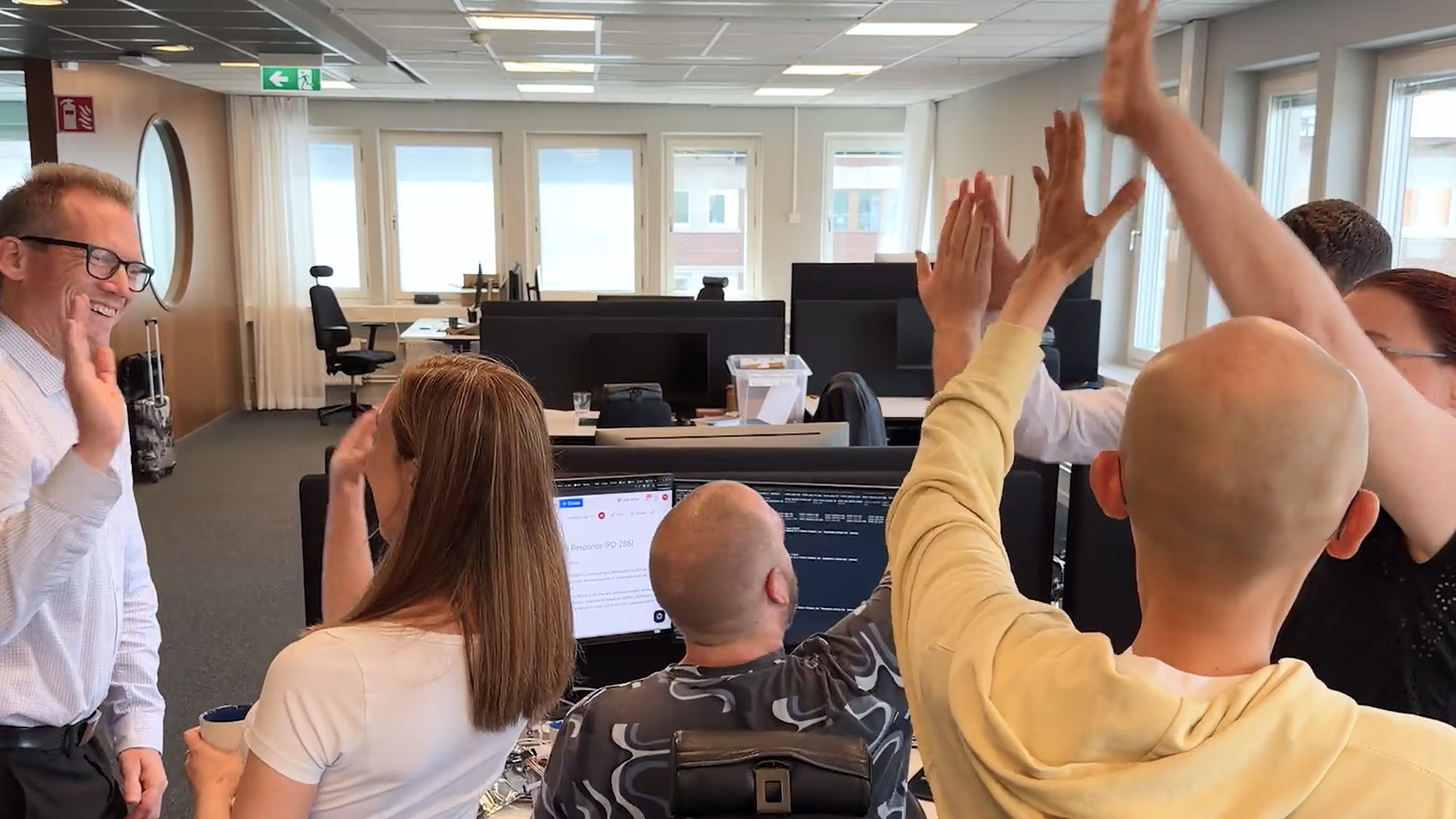
Why buy drones when you can build them?
Our original plan was relatively straightforward: use commercial drones and develop our fire-detection algorithms on top of an existing platform.
Then we started looking more closely at what we actually wanted to achieve.
Commercial drones can be expensive and often require a pilot licence. Our working theory was that several lightweight drones could offer advantages over relying on fewer, more expensive devices.
So naturally, we made our lives considerably more complicated.
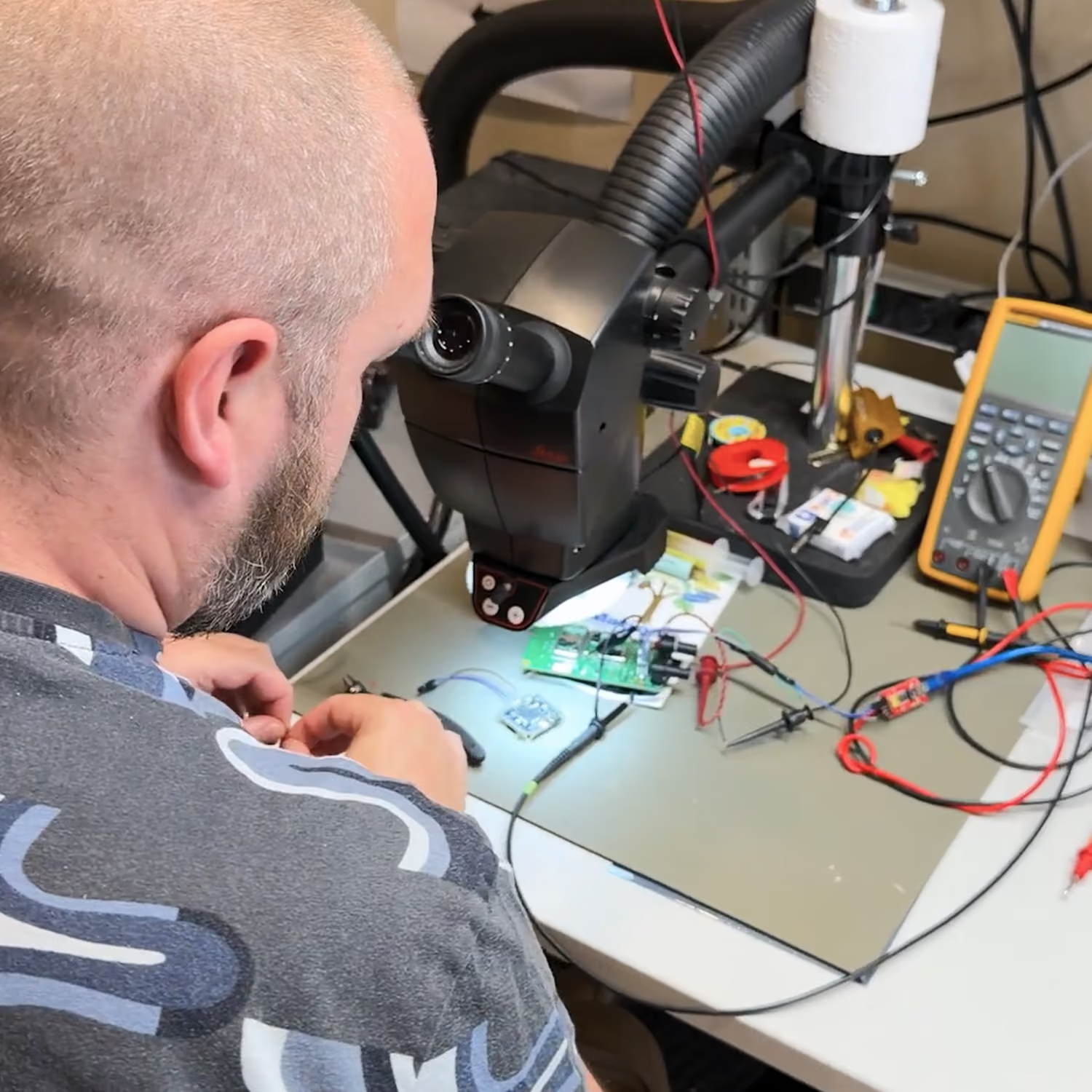
We decided to build the drones ourselves. From scratch.
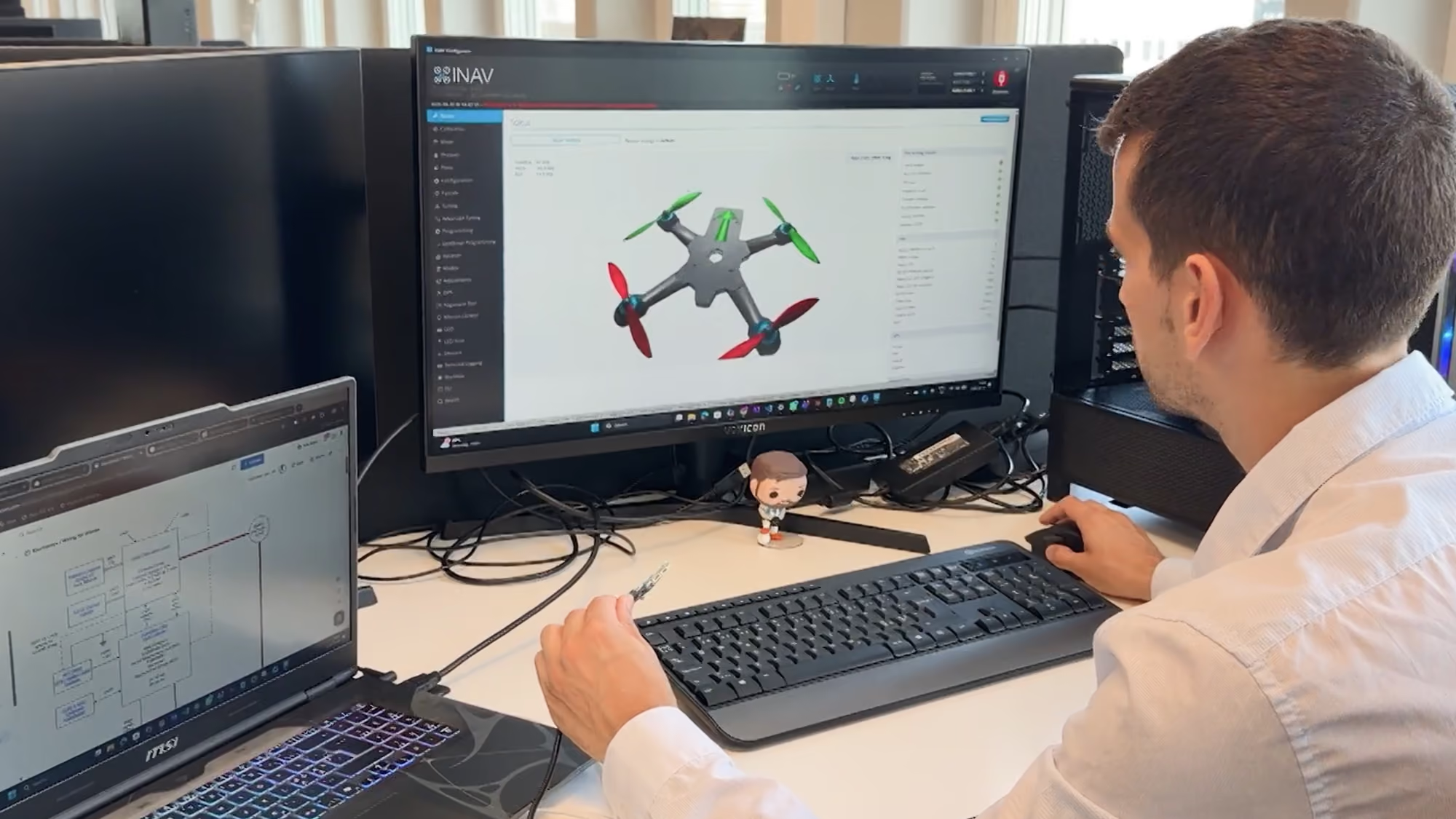
There was only one minor detail: none of us had built a drone before. Let alone a swarm of them.
But being the nerds we are, it was difficult to pass on the opportunity to learn something new. Building our own drones could also give us greater accessibility and ease of use, allow us to adapt sensors and edge algorithms to the task, and increase spatial sampling.
We could have taken the easy route. We chose the scenic one.
One blocked card and four drones.
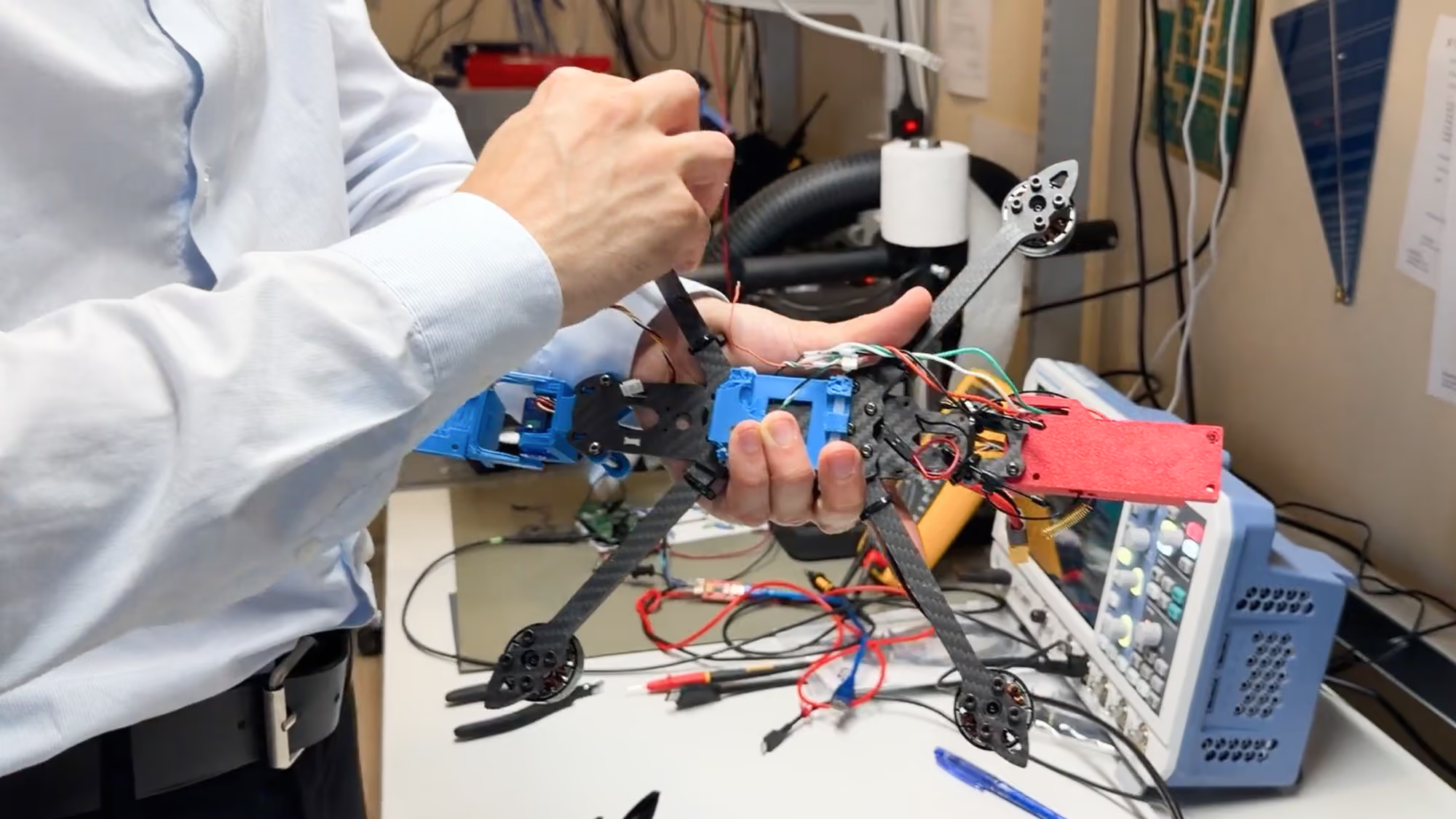
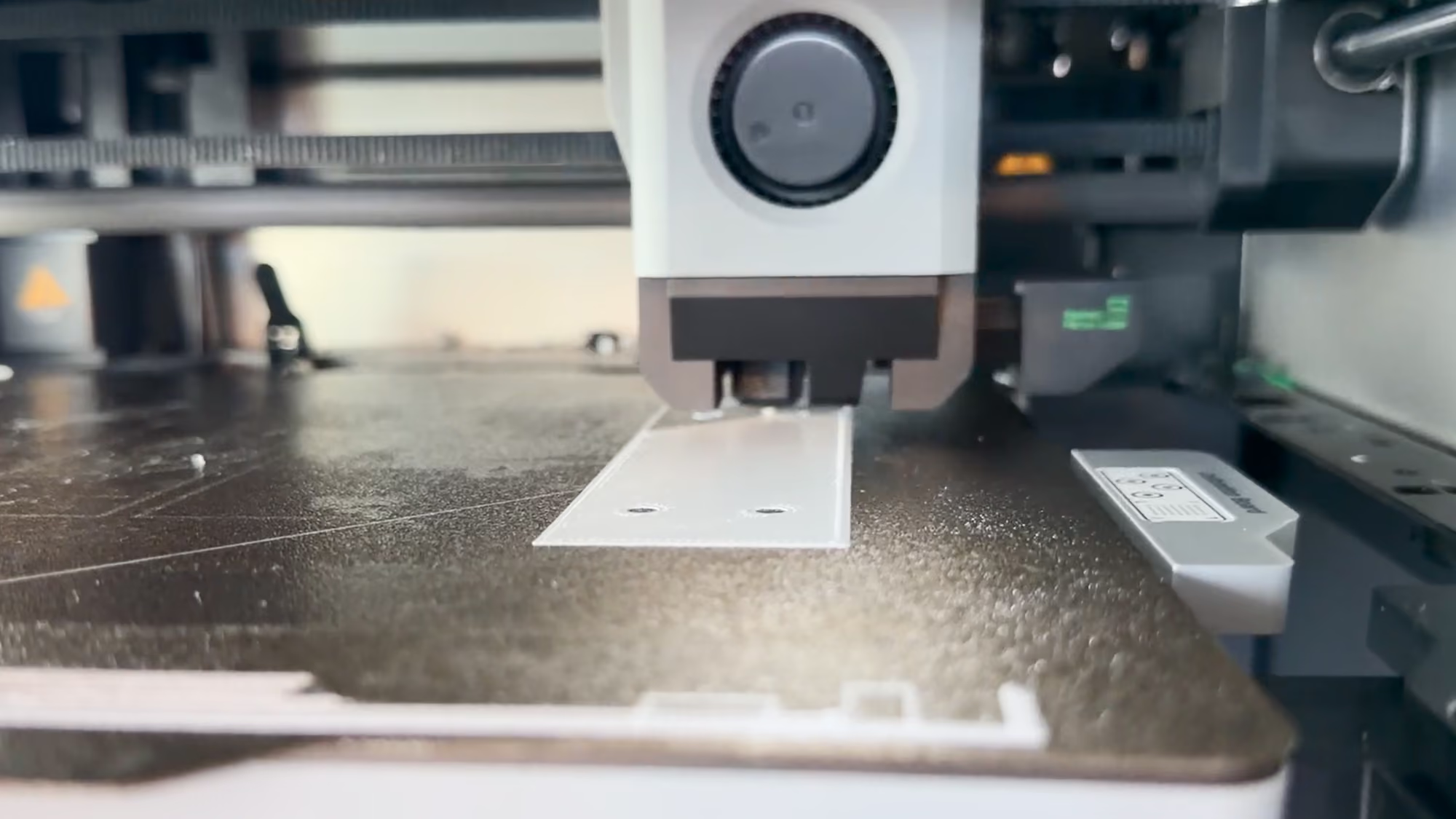
Nevertheless, by February, our first drone was assembled – including some parts we had designed and 3D printed ourselves. There was joy. It was short-lived.
Because if any of us had believed that building the drone was the difficult part, reality corrected us fairly quickly when we took it outside.
The drone in the tree.
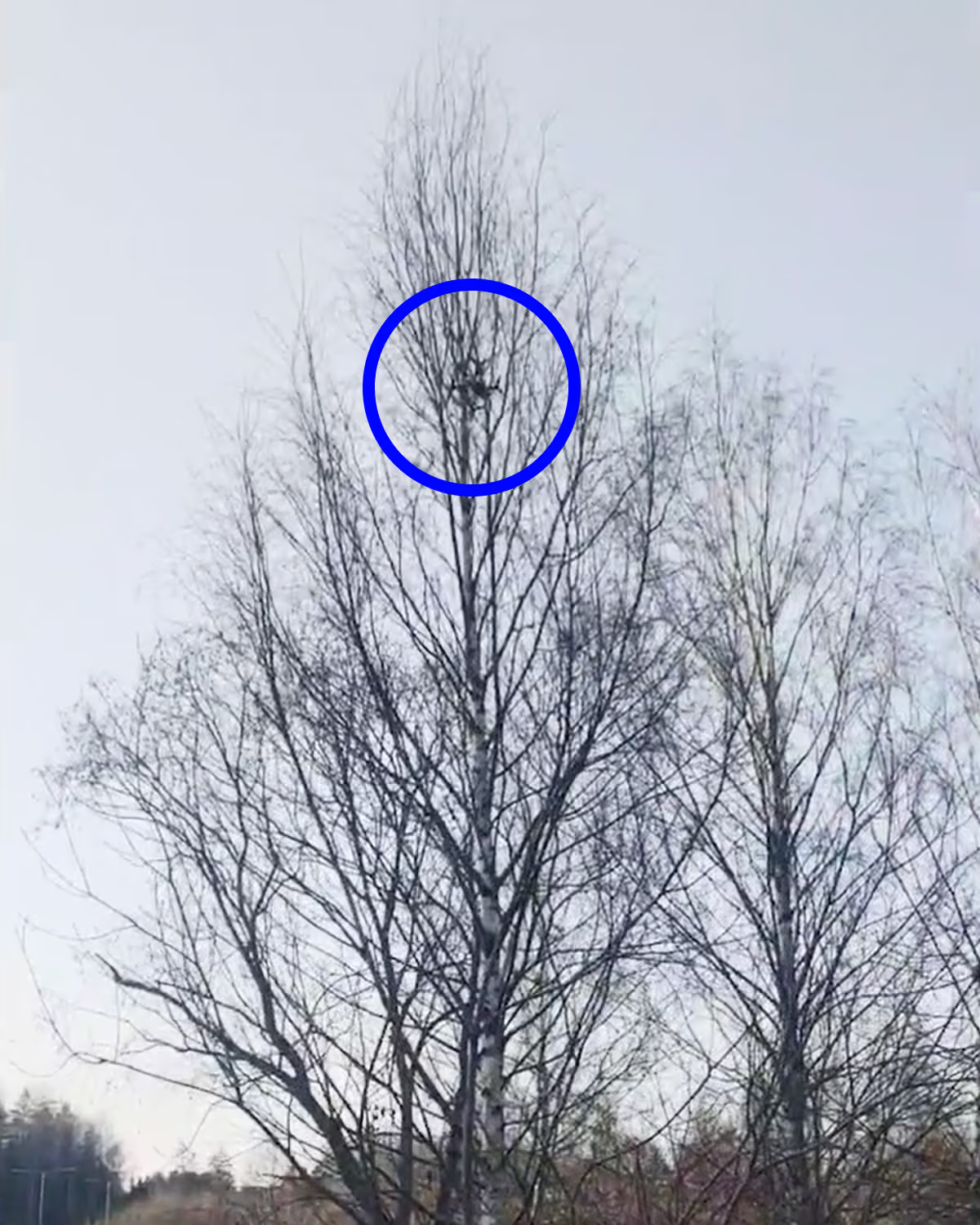
This would have been inconvenient enough on its own. But this was Sweden in winter, so naturally the tree was surrounded by freezing water about a metre deep.
The drone wasn't coming down that day.
For the next week, we nervously checked whether it was still sitting in its new home.
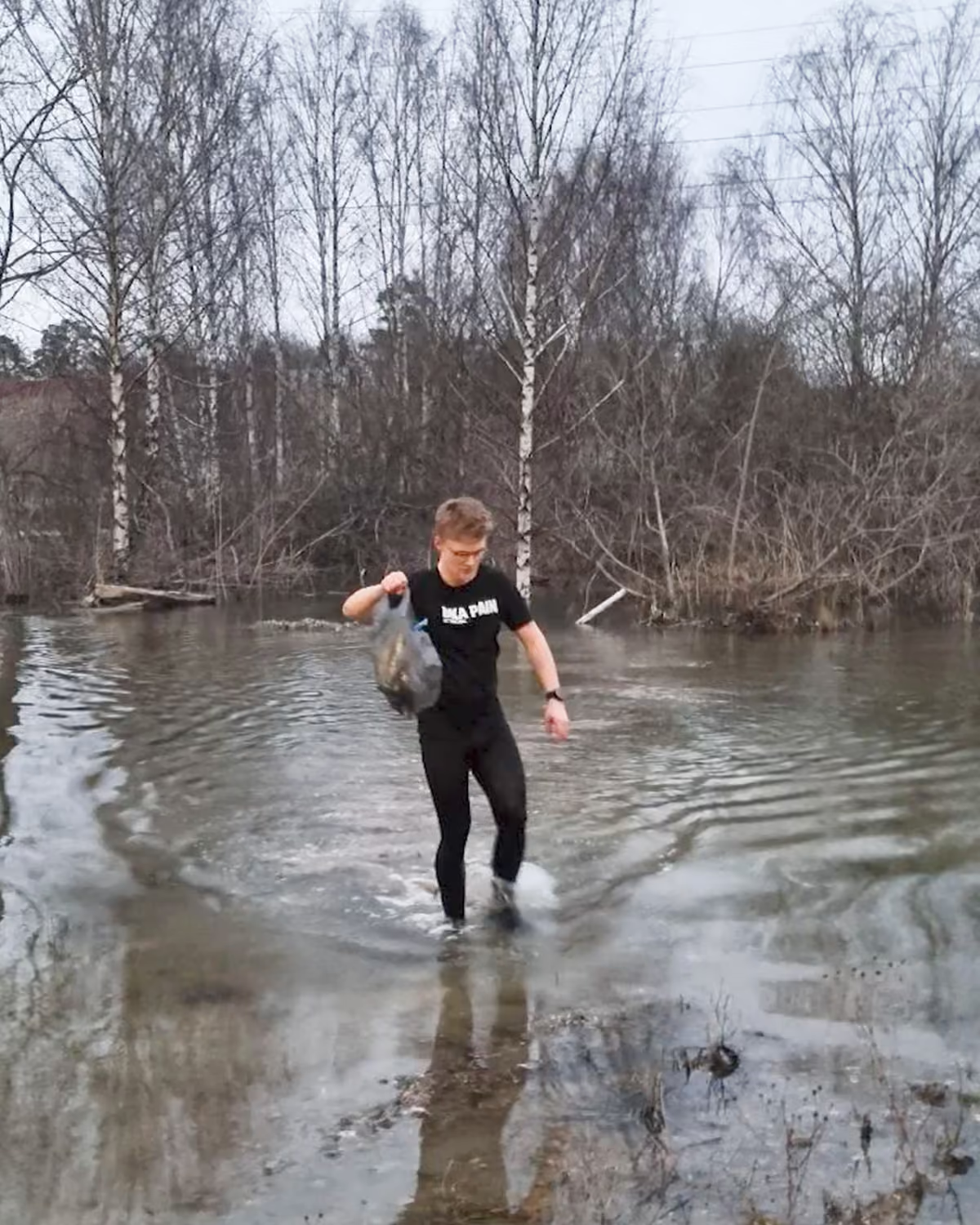
Eventually, help arrived from an unexpected member of the extended Qamcom team: a colleague’s son. He waded through the freezing water, climbed the tree and brought our drone safely back to earth.
Joy again.
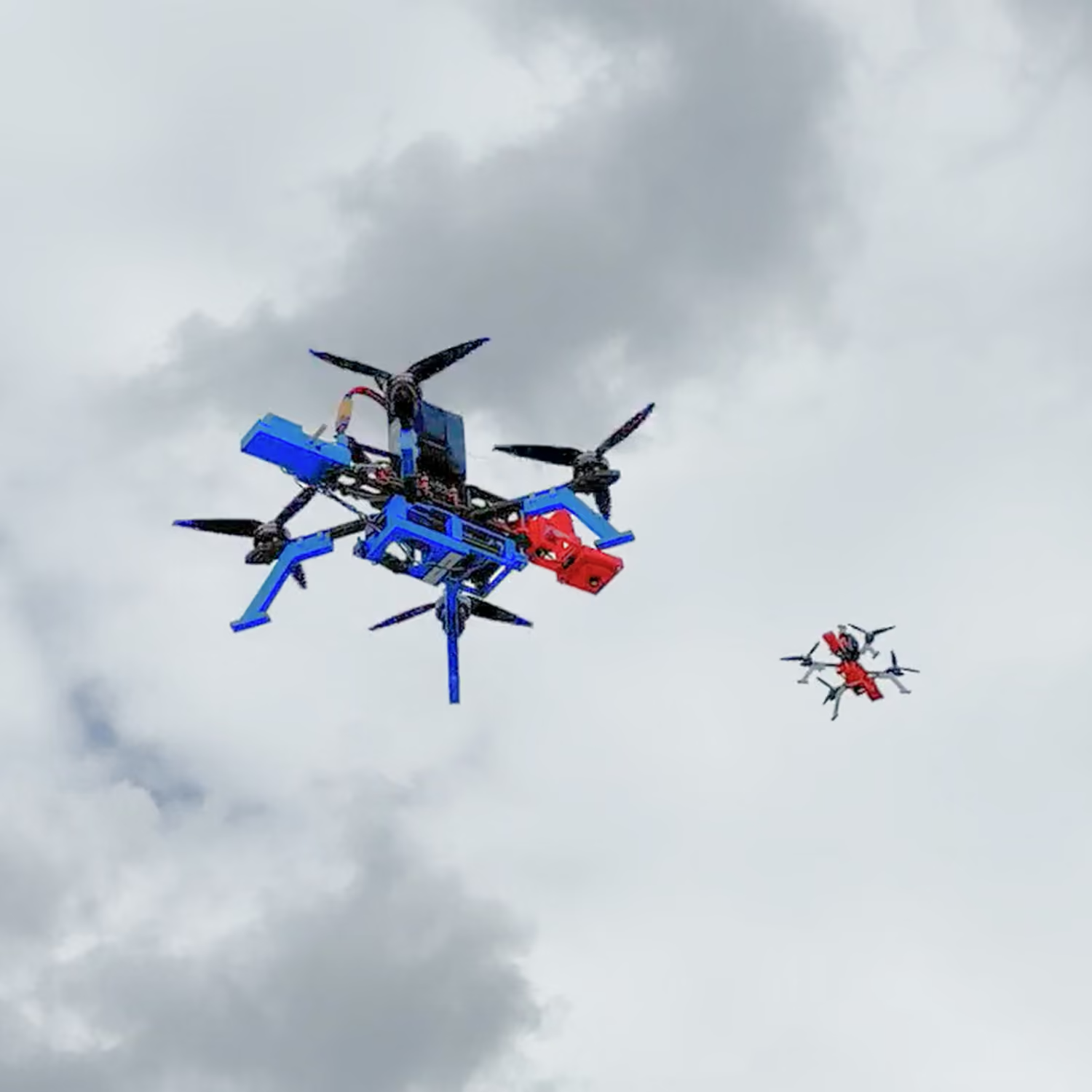
Then things started to work.
This became an important milestone. The tests showed that the drones we had built could operate autonomously in a safe and reliable way. That was reassuring. Particularly because Vinnova had already scheduled a demonstration for the end of May. No pressure. With the algorithms coming together, we shifted our attention towards swarm communication and synchronisation.
The next goal was a full end-to-end integration test with two drones in early May. For that, we needed actual fires. Perfect timing, we thought. Spring is typically the driest season in Sweden. So, of course, it rained.
From Murphy to mission.
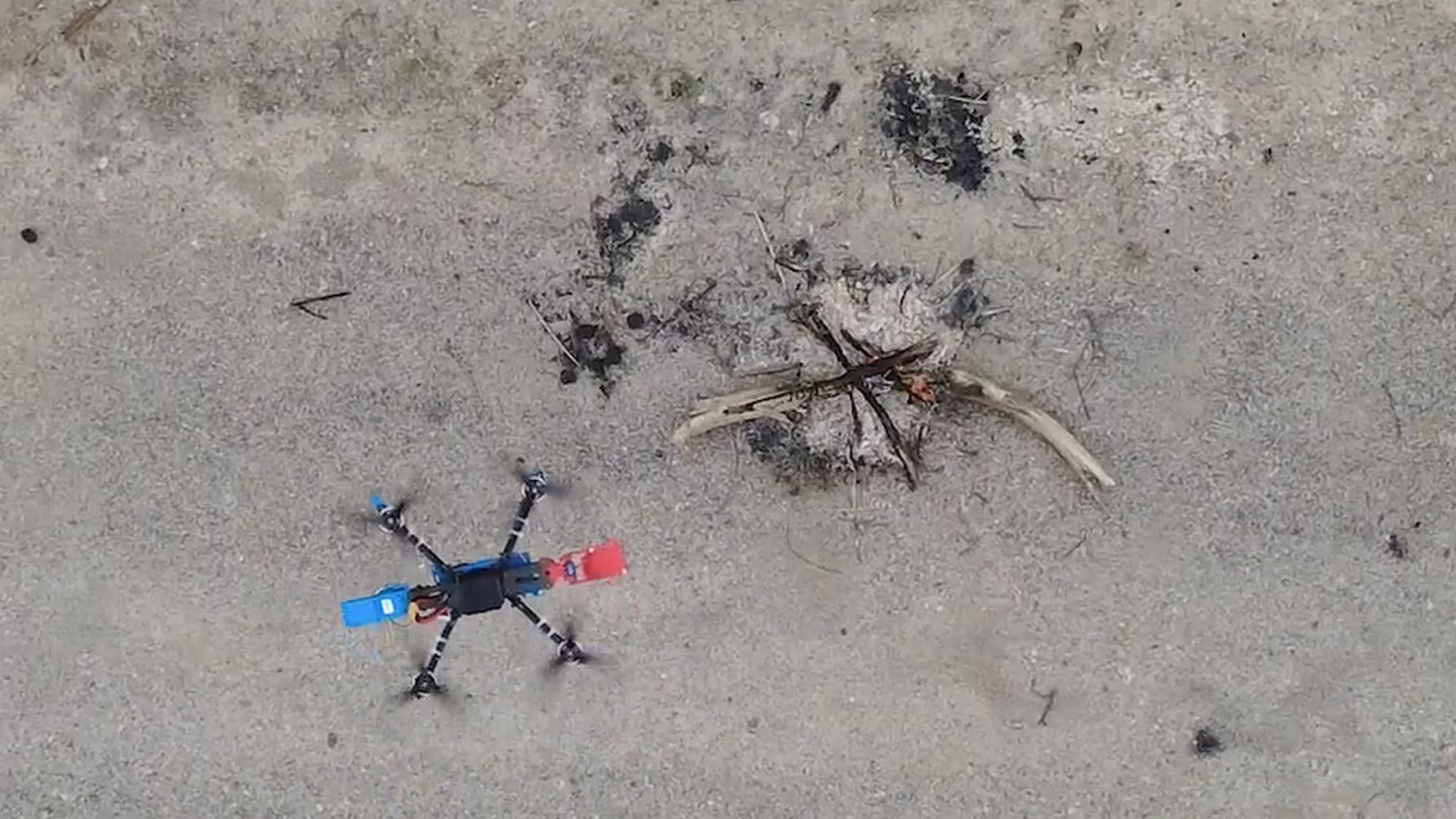
We performed the integration tests and successfully ran a complete mission from beginning to end. The drones could work together. The algorithms worked. Fire could be detected and geolocated. Now we just had to do it in front of everyone else.
Demo day.
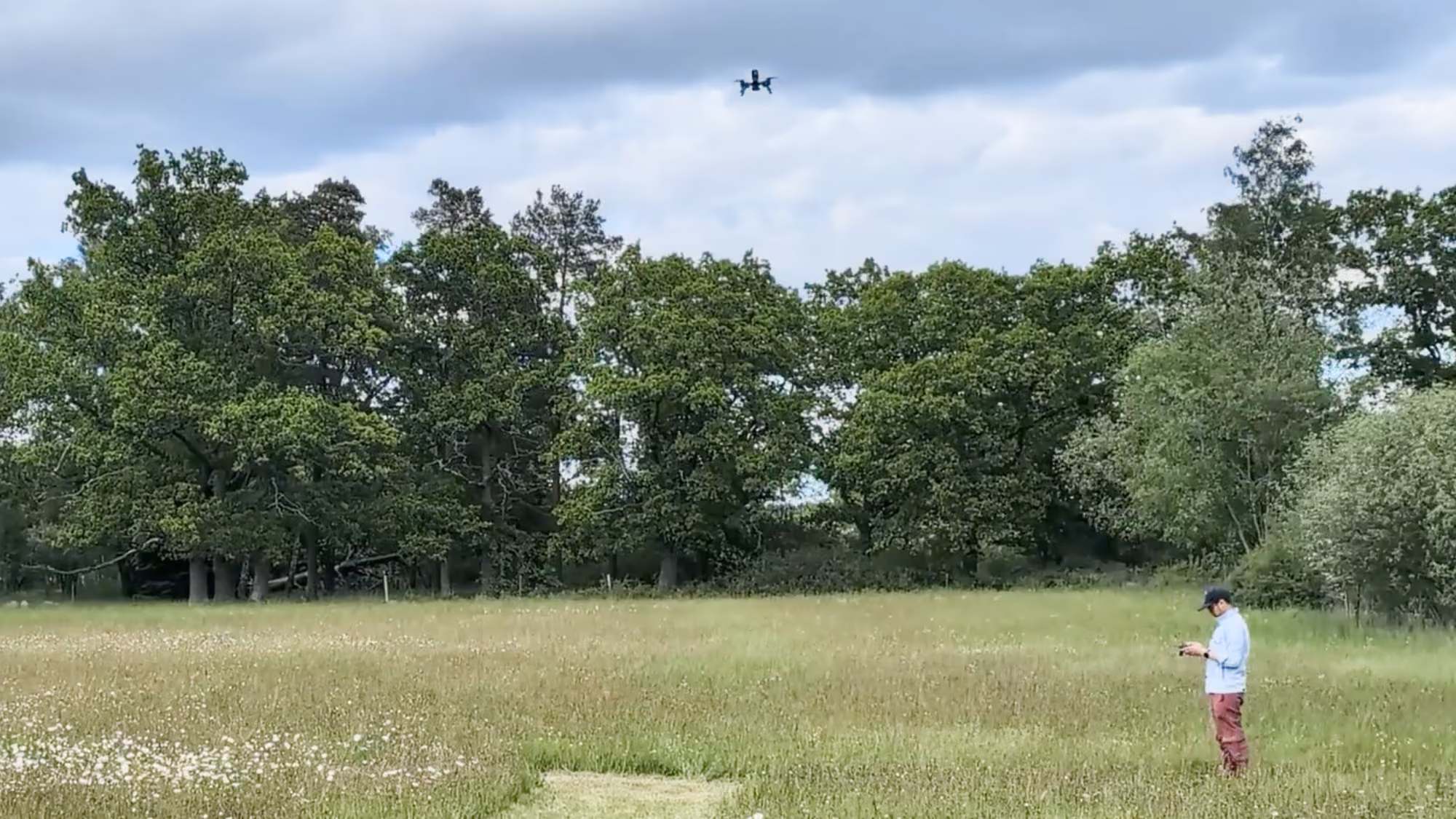
At the end of May, we arrived in Västervik for the Vinnova demonstration. We were met by strong winds. The grass was too high for the planned fire. And a last-minute safety standoff came close to stopping the demonstration altogether. At this point, it almost felt reassuring. Why would demo day be any different from the previous six months?
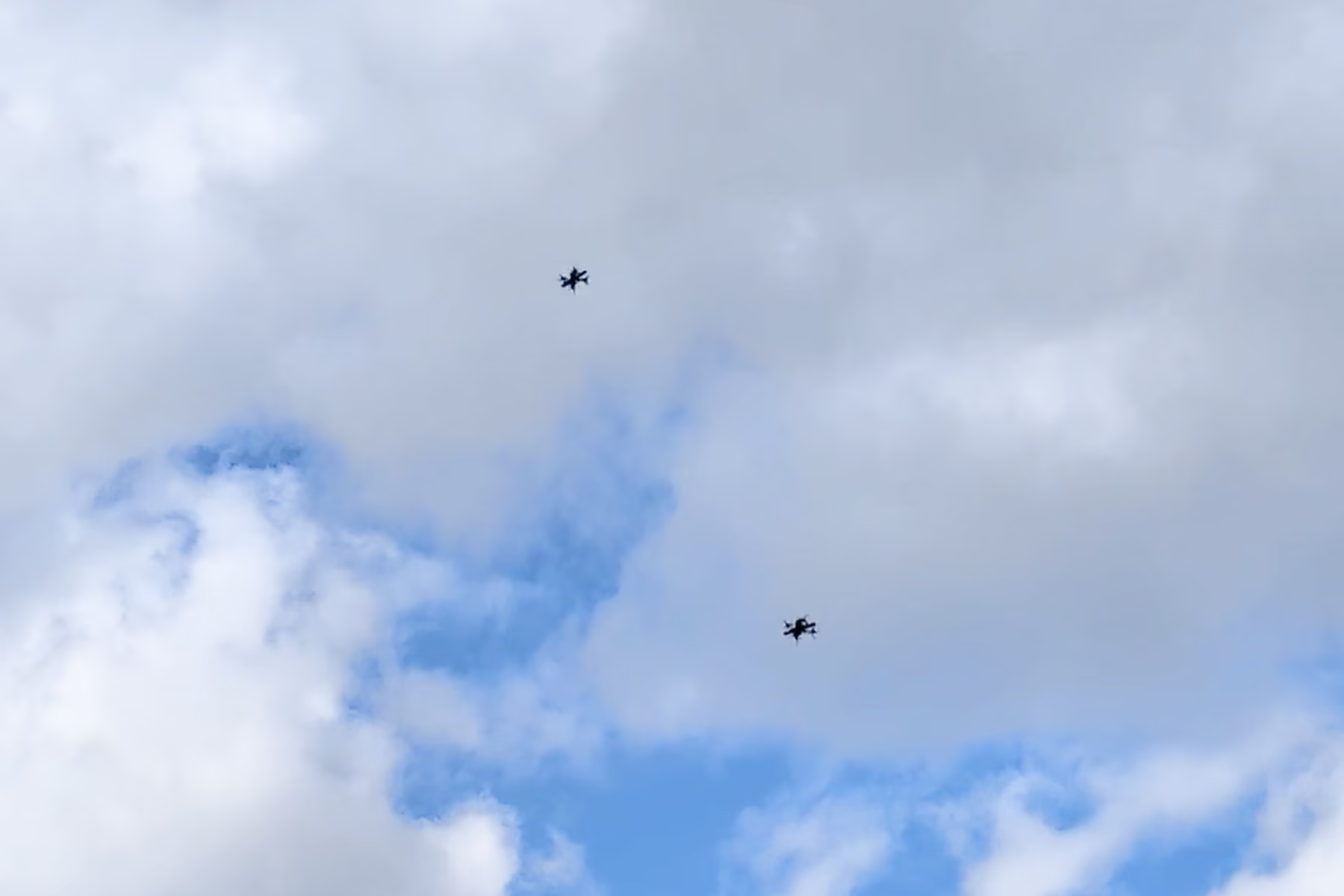
A compromise was found. Two drones went up. And then something rather unusual happened.
Everything worked.
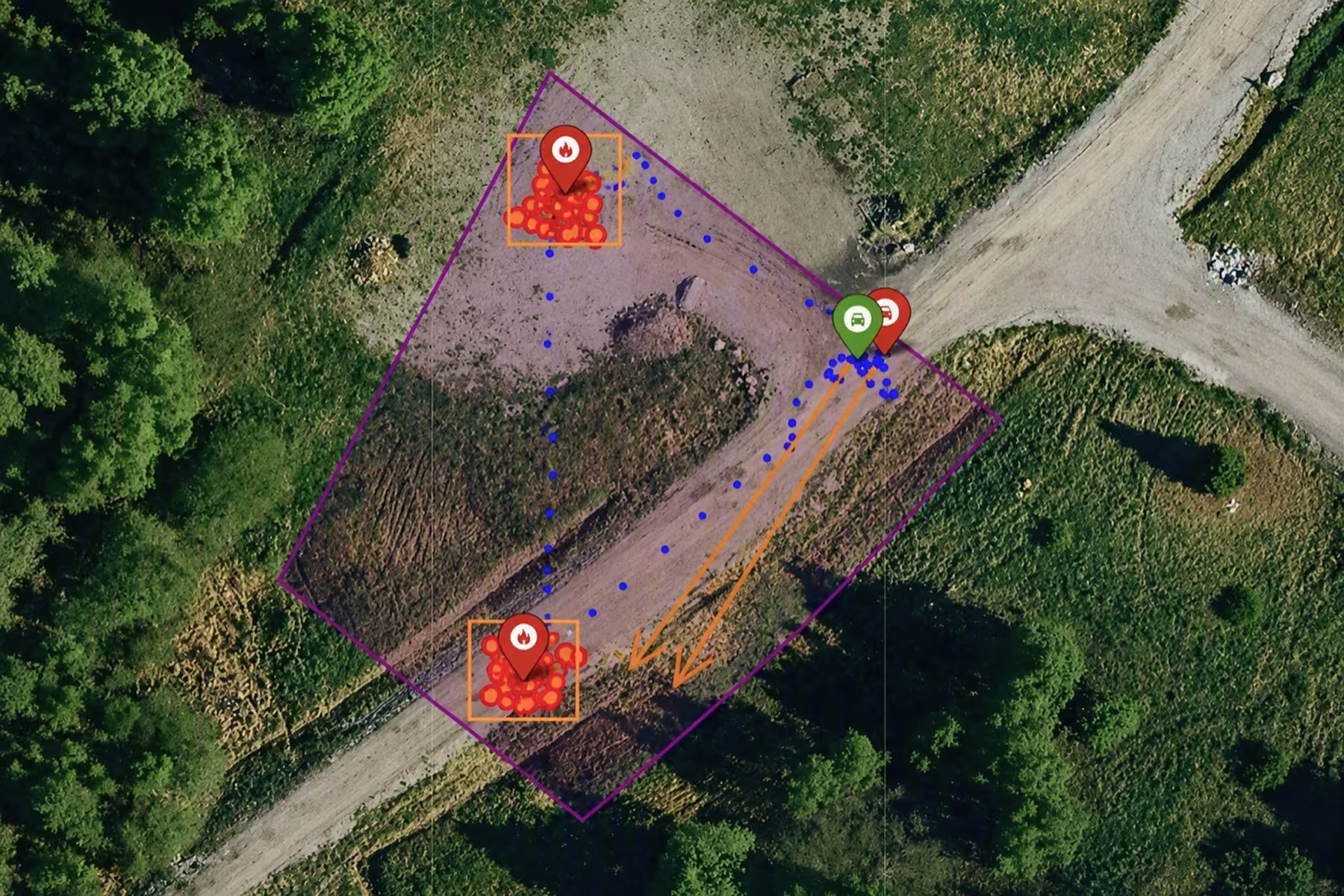
The drones autonomously detected and geolocated the fire. The complete mission ran successfully. Zero hiccups. On demo day, at least.
Six months later.
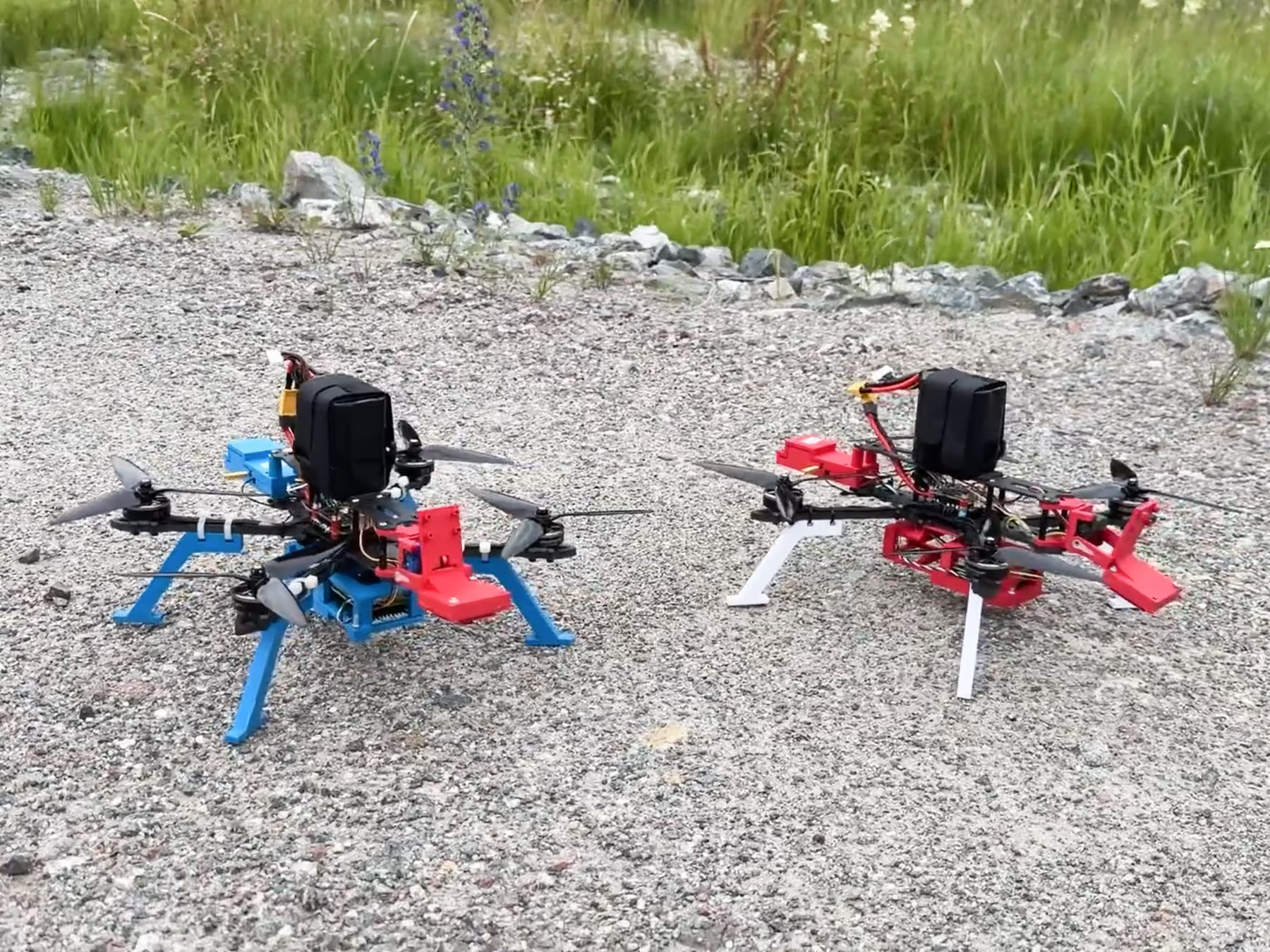
Six months later, we had built four.
Along the way, we learned how to design and build the drones, developed and tested algorithms for fire detection and geolocation, worked with autonomous operation, swarm communication and synchronisation – and demonstrated the complete system in the field.
There were crashes, rain, frozen water, a blocked corporate card and at least one tree that became an unwilling part of the test infrastructure.
But that's also part of the story.
Because R&D rarely follows the neat line you draw at the beginning of a project. Sometimes you change direction because you realize there is a better solution. Sometimes you have to learn something you've never done before. And sometimes your creation ends up in a tree.
The important part is what you do next.
Not bad for a team that had never built a drone before.
Want to know more about Project Firefly, the technology behind it or what we learned along the way? Get in touch with us.
