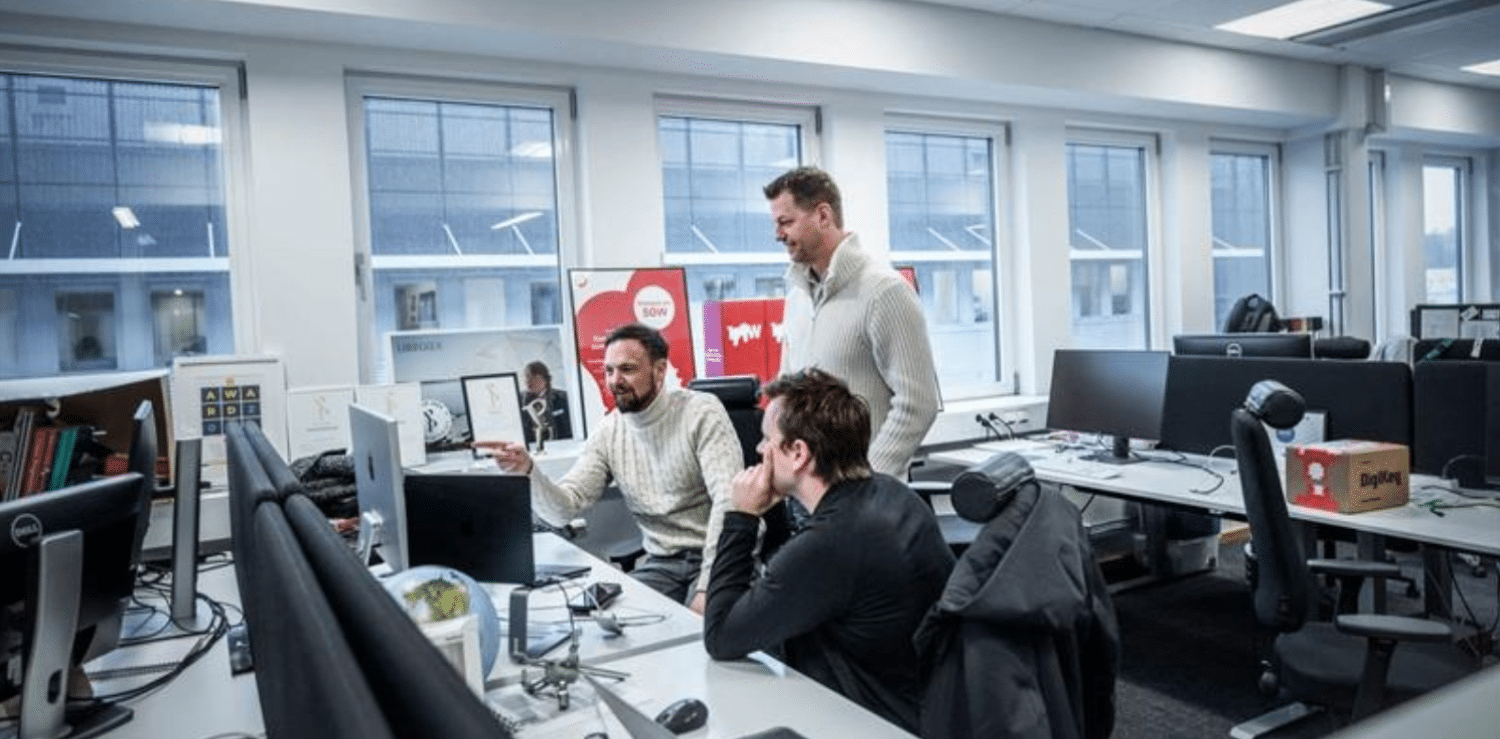
A deep tech company with no CEO or middle-management
Qamcom runs about 120 employees with no CEO or middle-management, using a dynamic, role-shifting model where those with the right knowledge make the decisions.
Qamcom, a Gothenburg-based engineering and research company, has built its entire organization around the idea that expertise should guide decisions rather than hierarchy. With about 120 employees, mostly engineers and PhD-level specialists, the company has operated without traditional managers for more than a decade. Co-founder Johan Lassing stresses that the model isn't a universal cure for organizational challenges, but it allows the company to approach problems from different angles than a conventional structure would.
At the core of Qamcom's philosophy is a constantly shifting set of roles. Employees are not hired into fixed positions but into a shared pool of competence, and responsibilities are redistributed regularly based on who is best suited for a given task. Lassing likens the process to rearranging chess pieces. Every few weeks the team discusses what roles are needed and who should take them on. This keeps the organization fluid and adaptable, making it easier to respond to new needs without bureaucratic friction.
Despite the absence of formal managers, informal leadership still emerges. Lassing expected more people to naturally step forward once the hierarchy was removed, but he has found that many employees instinctively wait for delegated authority. The model relies heavily on individuals taking an active role in shaping the work, something that can be challenging in a culture accustomed to clear chains of command.
"The people with the right information should be the ones making the decisions."
Even practical matters such as salary setting and HR issues are handled without a managerial layer. Small groups of trusted senior employees oversee salary reviews, ensuring that decisions are based on performance and contribution. Other matters, such as sick leave, workplace concerns or, in rare cases, terminations, are handled collectively or escalated to the board when legally required.
The approach has prompted discussions about whether such a system only works in a highly educated environment. Lassing disagrees, arguing that the model's success depends less on academic credentials and more on people understanding that "self-management" refers to the organization as a whole, not individual autonomy. In his view, the structure works as long as employees are willing to participate, take responsibility and adapt alongside the organization as it evolves.
Read the original article (in Swedish) here.
Images by Sanna Tedeborg.